DVLA revoked your licence? Our specialist solicitors fight licence revocations, handle appeals and protect new drivers. High success rate. Free consultation. Call now.
High
Enter your details below for a free initial call.
Finding out that the DVLA has revoked your driving licence is devastating. One letter through the post and suddenly your independence, your job, and your daily routine are all at risk. You might be wondering how this happened, whether the DVLA driving licence revocation is permanent, and most importantly, what you can do about it.
At Scarsdale Solicitors, we help drivers across England and Wales fight back against DVLA driving licence revocation. Whether you’re a new driver who’s accumulated 6 points, someone facing medical revocation, or a motorist who’s been caught up in the totting-up system, our specialist motoring solicitors know exactly how to build your case and protect your right to drive.
Call us now on +44 (0) 161 660 6050 for a free, confidential consultation about your DVLA driving licence revocation.
When the DVLA revokes your driving licence, it means your licence is completely cancelled. This is different from a court-imposed driving ban, where your licence is suspended for a set period. With DVLA driving licence revocation, you’ll need to reapply for a provisional licence and start again, potentially retaking your theory and practical tests. hadilaw
The DVLA has the power to revoke driving licences under the Road Traffic Act 1988. They exercise this power in several situations, and understanding which category applies to you is the first step in fighting back. renshawderrick
There are three main reasons the DVLA revokes driving licences:
Each type of DVLA driving licence revocation requires a different approach, and our solicitors have handled hundreds of cases across all categories.
If you passed your driving test less than two years ago and you’ve received 6 or more penalty points, the DVLA will automatically revoke your driving licence. There’s no court hearing, no warning letter, and no chance to explain your circumstances. The revocation happens automatically. keepmeontheroad
This catches thousands of new drivers off guard every year. A single speeding offence could land you 3 or 6 points. Add another minor offence, and suddenly your DVLA driving licence revocation letter arrives. Many young drivers don’t even realise this rule exists until it’s too late. hadilaw
The two-year “probationary period” starts from the date you passed your practical driving test. If you passed on 15th March 2024, the strict rules apply until 15th March 2026. Any points you receive during this window count towards the 6-point threshold for DVLA driving licence revocation. drivingban
What happens after a new driver revocation?
Once the DVLA revokes your licence under the new driver rules, you’ll need to:
Retaking your tests doesn’t erase your points. Any penalty points you’ve accumulated will transfer to your new full licence if you pass. This means if you had 6 points before revocation, you’ll have 6 points on your new licence, putting you dangerously close to a totting-up ban.
Can you fight new driver revocation?
The DVLA driving licence revocation for new drivers is automatic and administrative. The DVLA doesn’t have the discretion to waive it. However, there are situations where we can help:
Our motoring defence team regularly helps new drivers challenge the underlying offences before points are added. If we can get the original conviction overturned or reduced, the DVLA driving licence revocation will also fall away.
Call us on +44 (0) 161 660 6050 to discuss your new driver case.
The DVLA has a duty to keep unsafe drivers off the road. If they receive information suggesting you have a medical condition that affects your ability to drive safely, they can revoke your driving licence immediately. gov
Medical DVLA driving licence revocation typically happens in these situations:
The DVLA often relies on reports from doctors, hospitals, or the police. Sometimes family members report concerns directly. In some cases, the DVLA receives information from court proceedings where drink or drug offences are mentioned. renshawderrick
How medical revocation works
When the DVLA considers revoking your licence on medical grounds, they’ll usually:
After gathering this information, a DVLA medical adviser decides whether you can continue driving, whether restrictions are needed (like no motorway driving), or whether DVLA driving licence revocation is necessary.
Fighting medical revocation
Unlike points-based revocation, medical decisions aren’t automatic. The DVLA exercises judgment, and that means their decisions can be challenged. renshawderrick.co
We’ve helped clients overturn medical DVLA driving licence revocation in numerous situations:
If your licence has been revoked on medical grounds, don’t assume the decision is final. Our team works with independent medical experts to build cases that give you the best chance of getting back on the road.
The DVLA can also revoke a driving licence for certain administrative reasons, separate from penalty points or medical fitness. These situations usually arise where legal or licensing requirements are not met, or where a licence should not have been granted in the first place.
Common examples include:
In these cases, the DVLA can cancel (revoke) your current licence, and you must put the administrative problem right before you are allowed back on the road. That usually means making a fresh application (often for a provisional licence), supplying correct documents or information, and in “extended test” cases, passing the required test before a new full licence is issued.
The appeals process depends on why your licence was revoked. There’s no single “DVLA appeals court” – instead, different routes apply to different types of DVLA driving licence revocation. [renshawderrick.co]
Appealing points-based revocation
For a new driver revocation based on penalty points, you can’t appeal the revocation itself. The DVLA has no discretion – if you have 6+ points within two years, revocation is automatic.
However, you can appeal against the original conviction that gave you the points. If successful, the points are removed, and the revocation is reversed. Time limits apply, so acting quickly is essential. [renshawderrick.co]
Appealing medical revocation
If your DVLA driving licence revocation was for medical reasons, you have the right to appeal to a Magistrates’ Court within 6 months of the revocation decision. The court will consider fresh medical evidence and can overturn the DVLA’s decision.
Before going to court, we always recommend:
Many medical appeals succeed because the DVLA made their decision based on incomplete information or misapplied their own standards.
Requesting a review
Even without a formal appeal, you can ask the DVLA to review their decision if circumstances have changed. For medical cases, this might mean your condition has improved or new treatment options are available. [gov]
For administrative revocations, you might be able to demonstrate that the original information the DVLA relied on was incorrect.
We handle DVLA driving licence revocation appeals across England and Wales, and our high success rate reflects our thorough approach to building cases.
Speak to our appeals team on +44 (0) 161 660 6050
.
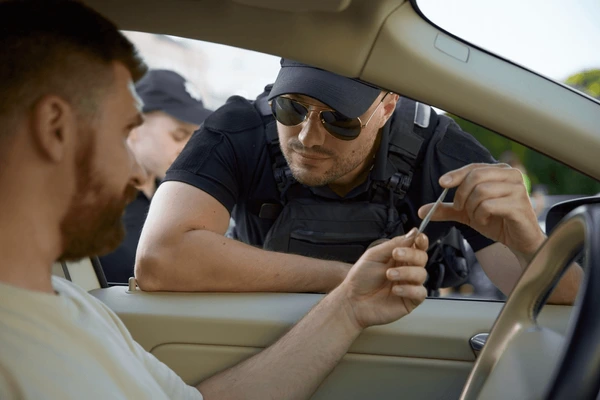
The path to getting your licence back depends on the type of DVLA driving licence revocation you experienced.
After the new driver revocation
You’ll need to apply for a provisional licence and retake both tests. The DVLA won’t issue a new full licence until you’ve passed the theory and practical tests again. Many of our clients find the theory test particularly challenging the second time around, as the questions have changed since they originally passed. drivebot
Once you pass both tests, you’ll receive a new full driving licence. Any penalty points you had will transfer to this new licence and remain there until they expire (usually 4 years from the date of the offence). [keepmeontheroad.co]
After medical revocation
Getting your licence back after a medical DVLA driving licence revocation requires you to demonstrate that you’re fit to drive. This usually means:
The DVLA may issue a licence with restrictions (like no night driving or a maximum period before renewal) rather than refusing outright.
Some conditions have minimum periods before you can reapply. For example, after a stroke, you typically can’t drive for at least one month, and the DVLA needs confirmation from your doctor that you’ve recovered sufficiently.
After administrative revocation
If your licence was revoked for administrative reasons, like being issued in error, failing to meet eligibility criteria, or not yet satisfying an extended test requirement, you’ll need to resolve the underlying issue before reapplying. This might mean:
Our team can help identify exactly what’s needed and guide you through the reapplication process efficiently.
Beyond the obvious impact on your mobility, DVLA driving licence revocation carries real financial costs.
Direct costs include:
Indirect costs can be even higher:
For many of our clients, the indirect costs of DVLA driving licence revocation far outweigh the direct expenses. That’s why fighting revocation – or the underlying offences that lead to it, is so worthwhile.
We’ve represented drivers facing DVLA driving licence revocation from across England and Wales. Our motoring law team handles everything from straightforward new driver cases to complex medical appeals.
What sets us apart:
Shazia Ali, our lead solicitor, has over 20 years’ experience in criminal and motoring law. She’s seen every type of DVLA driving licence revocation case and knows which strategies work.
We offer free initial consultations for all DVLA driving licence revocation enquiries. There’s no obligation, and you’ll speak directly with a qualified solicitor who can assess your case and explain your options.
Contact Scarsdale Solicitors today:
Phone: +44 (0) 161 660 6050
Address: Reeds House, 3-4 Hunters Lane, Rochdale, OL16 1YL.
We represent clients nationwide across England and Wales.
Expert legal services in major cities, towns, and boroughs throughout England and Wales.
Understanding offences and process helps you make informed decisions about your future.
DVLA driving licence revocation is permanent – your licence is cancelled, not suspended. You'll need to reapply for a provisional licence and retake your tests to get a new full licence. Unlike a driving ban that ends automatically after a set period, revocation means starting the licensing process from scratch.
No. Once the DVLA revokes your licence, you cannot legally drive until you've either successfully appealed or obtained a new licence. Driving during this period counts as driving otherwise than in accordance with a licence, which carries penalty points and potentially a driving ban on top of your existing problems.
For new driver revocation (6 points within 2 years), yes – you must retake both the theory and practical tests. For medical revocation, it depends on your condition. Some drivers need to pass an additional practical assessment, while others simply need medical clearance.
New drivers (within 2 years of passing their test) face DVLA driving licence revocation at 6 points. Experienced drivers can accumulate up to 12 points before facing a totting-up ban – though this goes through the courts rather than the DVLA.
Not usually. For new driver revocation, you'll need to apply for a provisional licence, then book and pass both tests – a process that typically takes several months. For medical revocation, you'll need to satisfy the DVLA's medical requirements, which vary depending on your condition.
No. DVLA driving licence revocation is an administrative action, not a criminal conviction. However, the underlying offence that led to your points may appear on your criminal record if it was a prosecutable offence.
You can check your driving record online through the GOV.UK View Driving Licence service. This shows your current penalty points. If you're a new driver with 6 or more points, you should expect DVLA driving licence revocation.
The DVLA can revoke licences for numerous medical conditions, including epilepsy, stroke, diabetes (especially insulin-treated), heart conditions, severe mental health conditions, alcohol dependency, drug use, and eyesight problems. The full list of notifiable conditions is on GOV.UK.
Yes. While doctors encourage patients to self-report, they can contact the DVLA directly if they believe you're driving with a condition that makes you unsafe and you've refused to stop or report it yourself. This sometimes leads to DVLA driving licence revocation.
Penalty points transfer to your new licence after revocation and remain for the standard period – usually 4 years from the date of the offence for most motoring offences, or 11 years for drink or drug driving offences
You cannot appeal the revocation itself, as it's automatic. However, you can appeal against the original conviction that resulted in your penalty points. If the conviction is overturned, the points are removed, and the revocation is reversed.
A driving ban (disqualification) is imposed by a court for a set period, after which your licence is usually restored. DVLA driving licence revocation cancels your licence entirely, meaning you must apply for a provisional licence and potentially retake your tests to drive again.
The minimum cost is around £119–141 for a provisional licence application, theory test, and practical test. However, most people need refresher driving lessons, pushing total costs to several hundred pounds. Insurance premiums also typically increase after revocation.
No. The DVLA doesn't consider hardship when revoking licences – that's a court-based argument for totting-up bans. If you're facing DVLA driving licence revocation, the only options are challenging the underlying offence or waiting and reapplying.
Medical revocation appeals to the Magistrates' Court typically take 2–4 months to reach a hearing. Appeals against underlying convictions vary depending on the court's schedule and the complexity of your case.
Yes, substantially. Insurers view revocation as a red flag, and you'll likely face much higher premiums when you get your licence back. Some insurers refuse cover entirely for drivers who've had their licence revoked.
No. Your UK licence is invalid, so you cannot use it to drive anywhere. An International Driving Permit is also unavailable because it's based on your UK licence. Driving abroad without a valid licence risks serious penalties in the country you're visiting.
Driving after revocation is typically charged as driving otherwise than in accordance with a licence. This can result in 3–6 penalty points, a fine, and potentially a driving ban. If caught multiple times, you could face imprisonment.
Absolutely. We help clients challenge the underlying offences leading to points, appeal medical revocation decisions, navigate the reapplication process, and identify DVLA errors that can be exploited on appeal. Early legal advice often makes the difference between keeping and losing your licence.
You're a new driver for 2 years from the date you passed your practical driving test. If you passed on 1st June 2024, you're a new driver until 1st June 2026. Check your driving licence – the date in section 4b shows when your entitlement to drive was obtained.
For new driver revocation, no, it's automatic once you reach 6 points. For medical revocation, the DVLA usually writes to you first, requesting information about your condition. However, in urgent safety cases, they can revoke immediately.
DVLA driving licence revocation doesn’t have to be the end of the road. Whether you’re fighting to prevent revocation, appealing a decision, or working to get your licence back, our team is ready to help.
Every day you wait is a day without your independence. Our solicitors have the experience and determination to give you the best possible outcome.
Call Scarsdale Solicitors on +44 (0) 161 660 6050 for your free consultation. We’re here to fight for your right to drive.
I would like to thank Shazia and the Scarsdale team. Super efficient, fast responding and knew exactly what to do in the situation I was in. Highly recommend for any immigration needs
Dynamic Program Designer